
Step one
Tell us about the building
Address, use, occupancy, leases and anything owed against it. If you have rent rolls, an environmental report or a recent appraisal, send them. A specialist reviews and calls back.
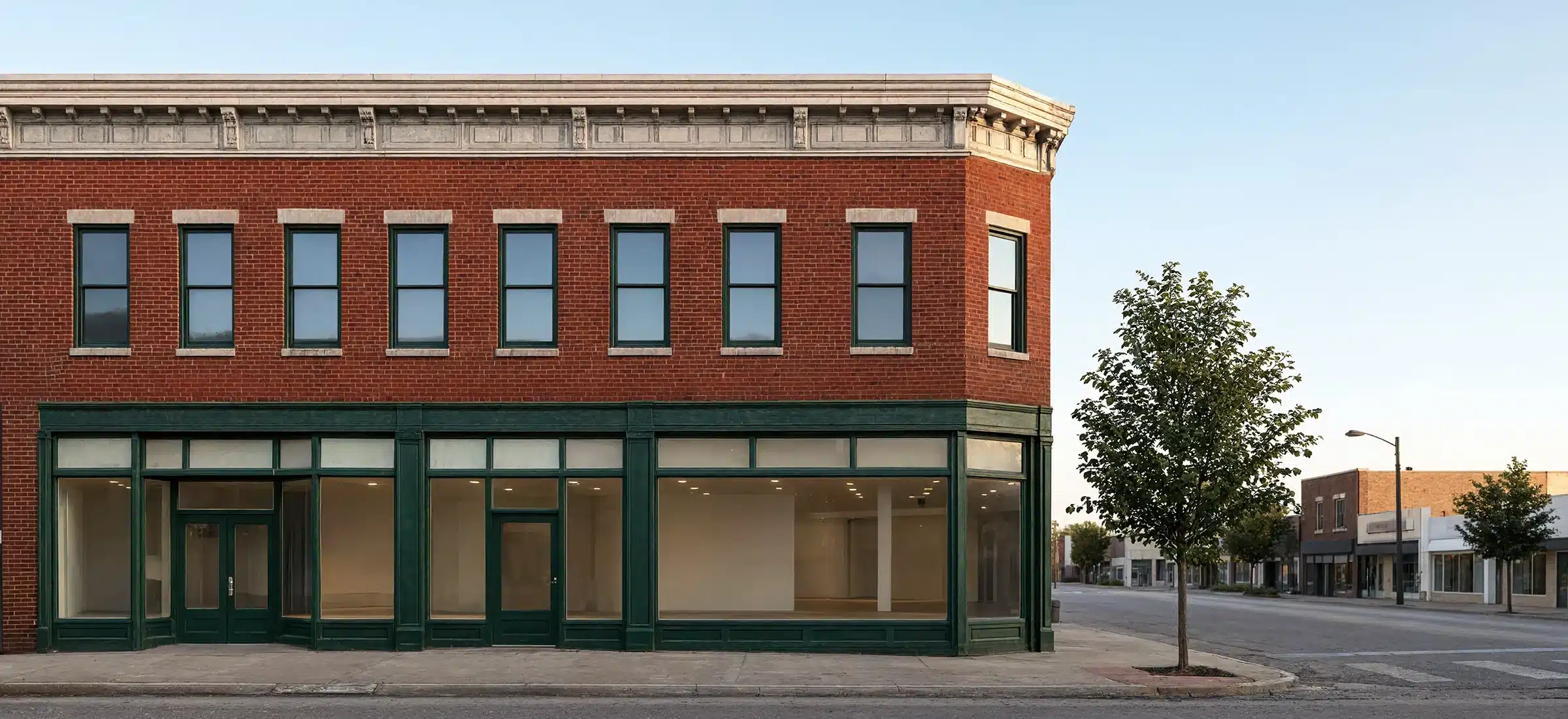
Real Estate with Causes accepts donated commercial real estate nationwide: office buildings, retail and strip centers, restaurants, former business premises, mixed-use buildings and church or institutional properties, vacant or with tenants in place. We prepare and record the deed ourselves, and on commercial buildings the numbers often support us absorbing costs a smaller property could not carry.
Every property gets a look. Name, phone and email are the only required fields.
Commercial gifts involve more documents than a house, but the sequence is the same. We review, we agree the structure with you and your advisor, and then we record the deed.
Address, use, occupancy, leases and anything owed against it. If you have rent rolls, an environmental report or a recent appraisal, send them. A specialist reviews and calls back.
Your advisor and ours confirm how the gift is structured, including any mortgage or leases. Our staff prepares the deed for the state and records it with the county.
Taxes, insurance, maintenance, tenant management and liability transfer on the day the deed records. You receive a written acknowledgment and, where required, a signed Form 8283.
For an appreciated building held for years, the tax difference between the two routes can be substantial. This is how they compare. A sale is sometimes the right answer, and we will say so.
| Selling the building | Donating the building | |
|---|---|---|
| Time to be done with it | Broker marketing, buyer due diligence, financing contingencies and tenant estoppels. Specialized or vacant buildings can take a long time to sell. | No marketing period and no buyer financing. The schedule is set by title, leases and any lender, and we tell you which of those apply on the first call. |
| What you pay | Broker commission, seller closing costs, transfer tax where it applies, and carrying cost until closing. | No escrow, no closing and no commission. The qualified appraisal is your expense and your choice of appraiser. On commercial buildings we more often absorb costs such as cleanout or back taxes where the value supports it. |
| Depreciation | Depreciation you have taken is recaptured and taxed on sale. | Depreciation taken against the building can reduce or change the deduction. Your advisor will need your depreciation schedule. |
| Tax outcome | Capital gains tax on the appreciation above your adjusted basis, in addition to recapture. | A charitable deduction reported on Form 8283. For property held more than a year the deduction is generally fair market value, limited to 30% of AGI, with a five-year carryforward, subject to the depreciation rules. |
| Tenants in place | Buyers price the leases and may require estoppel certificates from every tenant. | Leases transfer with the property and we take over as landlord. |
| Where the value goes | To you, less commission, closing costs and tax. | To our charitable programs, less the cost of the transfer and the sale. |
We do not provide tax or legal advice. Deduction outcomes depend on holding period, property type, use and a qualified appraisal. See IRS Publication 526, Publication 561 and the Form 8283 instructions, and consult your own advisor.
Six kinds of commercial property that reach us regularly. Find the one closest to yours, or call and describe it.
 A former business location
The building your business used to operate from, now empty since you closed, sold or relocated the business. Fixtures and equipment left behind are part of the conversation.
A former business location
The building your business used to operate from, now empty since you closed, sold or relocated the business. Fixtures and equipment left behind are part of the conversation.
 Strip retail and small centers
A row of storefronts with a mix of leased and empty units. Rent rolls and lease terms decide the value and the approach.
Strip retail and small centers
A row of storefronts with a mix of leased and empty units. Rent rolls and lease terms decide the value and the approach.
 Office buildings
Single-tenant or multi-tenant office space, including buildings that have been hard to lease since remote work changed demand.
Office buildings
Single-tenant or multi-tenant office space, including buildings that have been hard to lease since remote work changed demand.
 Mixed-use buildings
Retail on the ground floor, apartments above. Residential and commercial leases each transfer with the property.
Mixed-use buildings
Retail on the ground floor, apartments above. Residential and commercial leases each transfer with the property.
 Church and institutional buildings
Sanctuaries, halls, schools and lodges from congregations and organizations that have merged, moved or closed.
Church and institutional buildings
Sanctuaries, halls, schools and lodges from congregations and organizations that have merged, moved or closed.
 Parking lots
Surface lots, often the leftover parcel after a building was sold or demolished. Existing parking leases or management contracts transfer too.
Parking lots
Surface lots, often the leftover parcel after a building was sold or demolished. Existing parking leases or management contracts transfer too.
Commercial property carries rules a house or vacant lot does not. These are the three that most often change the answer.
For commercial property held more than a year, the deduction is generally fair market value as established by a qualified appraisal, limited to 30% of adjusted gross income, with a five-year carryforward. Depreciation taken against the building can reduce the amount, so your advisor needs your depreciation schedule.
Above $5,000 the IRS requires a qualified appraisal and Form 8283 Section B, signed by the appraiser and acknowledged by us. Above $500,000 the appraisal is attached to your return. Commercial appraisals usually rely on income and comparable sales.
A building with a loan becomes a bargain sale, with gain to you on the debt portion. Property held in an LLC, partnership or corporation is donated by the entity, which has its own reporting. Both are handled regularly and both need your advisor involved early.
Yes. Leases transfer with the property and we become the landlord. We will want the rent roll and copies of the leases so we understand the income and any obligations, such as renewal options or tenant improvement allowances, before we accept.
The LLC does, since it holds title. How the deduction flows through depends on how the entity is taxed, and a single-member LLC is treated differently from a partnership. Bring your advisor in early and we will work with them on the documents.
On many commercial properties, yes, and on former gas stations, dry cleaners, auto shops and industrial uses it is almost always part of the review. If you already have a Phase I report, send it. If you do not, we will talk through what is needed before anyone spends money on one.
Most donated commercial property is sold and the net proceeds fund our charitable programs. Occasionally a building is held and used directly, for example as program or office space. Either way, the decision is ours after the deed records, and we will not ask you to manage anything.
Partial interests, such as a percentage share or a building without its land, follow strict rules and often do not qualify for a deduction. An undivided fractional interest in the whole property can qualify in some cases. This is one to discuss with your advisor before deciding.
Eight other property classes, each with its own transfer rules and its own page.
Send the address and what is in it, tenants, loan and all, and we will tell you plainly what a donation would look like.